


Virtual Learning Lab – Conservation Series
Zoom into your classroom
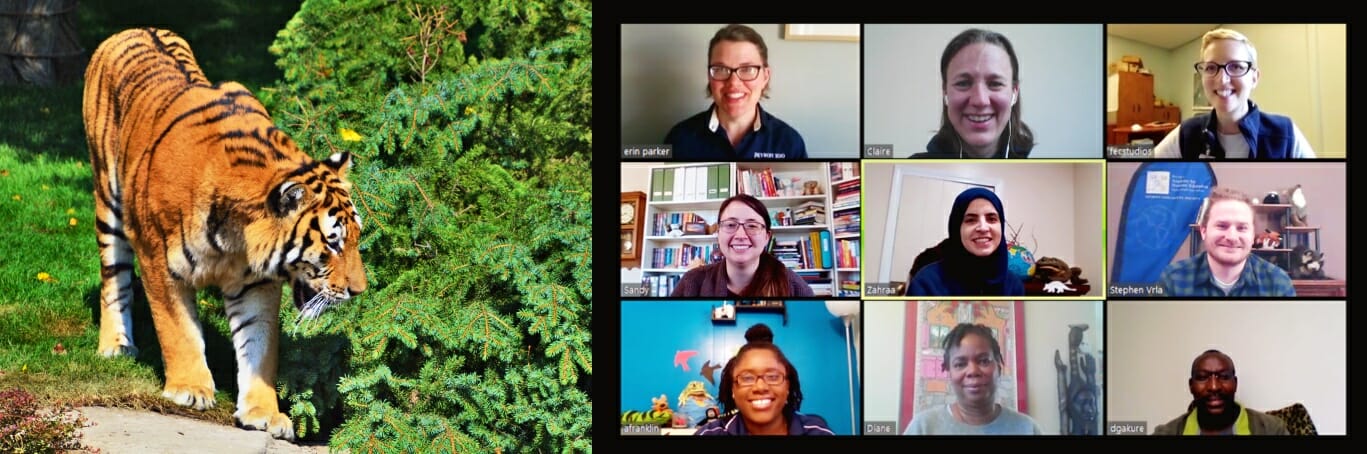
Virtually meet a Detroit Zoological Society expert! Your class will explore science concepts and skills, while learning more about the animals the DZS cares for during a live, interactive session. Virtual Learning Labs include a virtual visit to a habitat at the Detroit Zoo, an opportunity to interact with DZS staff, and a math or literacy activity related to the species.
We are able to accommodate all classroom arrangements; we understand that schools are changing formats as needed, to keep students and teachers safe. Sessions are scheduled Monday through Thursday, between the hours of 11 a.m. to 2 p.m., and cost $100, per classroom.
DZS staff will adjust the content to be developmentally appropriate for the age and experiences of the students.
All spaces for the 2020-2021 school year are full. Check back in September for updated school program offerings.
For Homeschool, or other learning groups, check out our monthly Zoom with the Zoo options: Monthly Zoom with the Zoo.
Tiger Conservation
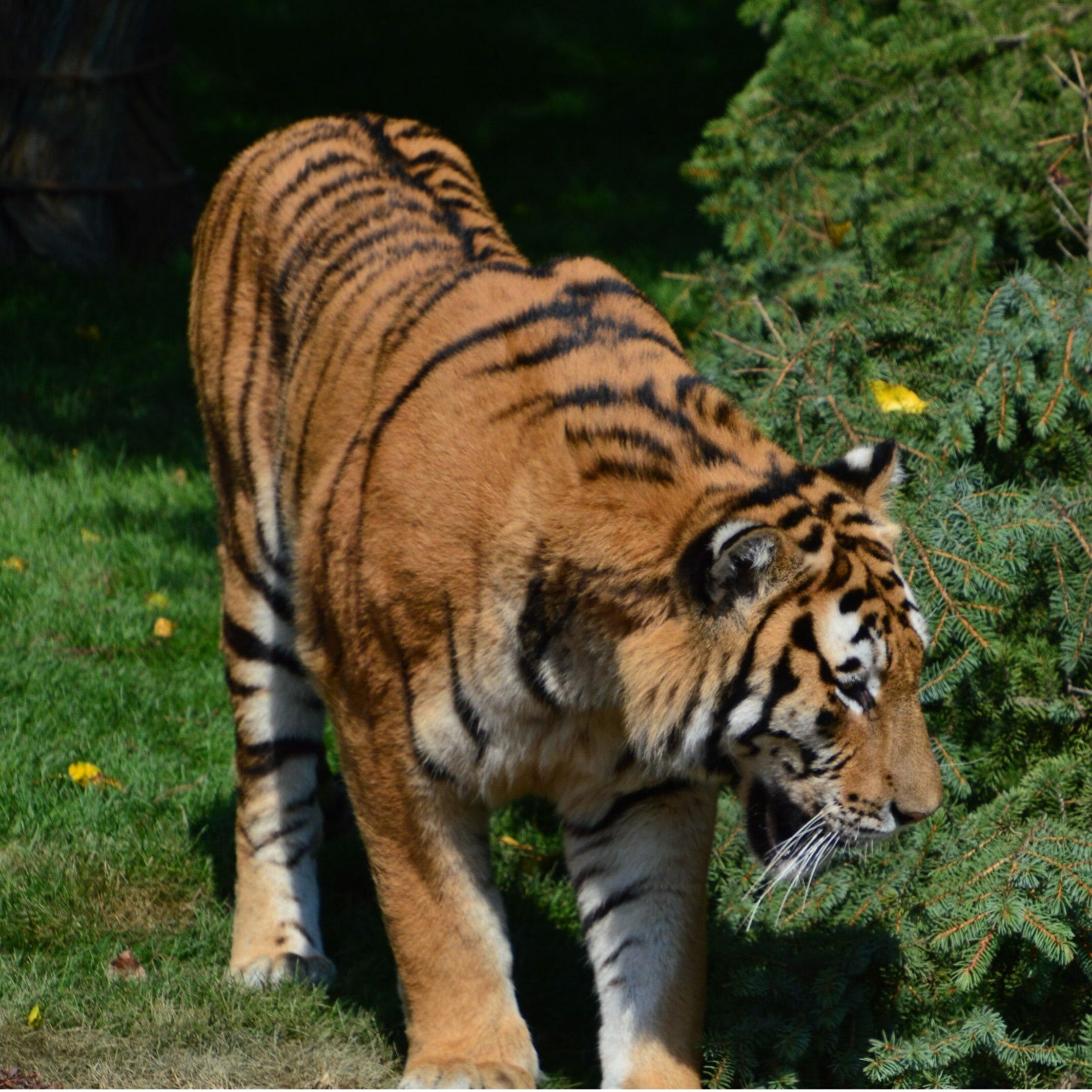
AZA accredited zoos, including the Detroit Zoological Society, are working together to save tigers from extinction. Through in situ conservation work, carefully planned breeding programs, and by providing excellent welfare to the animals in our care, we are ensuring the long-term survival of tiger species. Learn how your choices and actions can help in this important work.
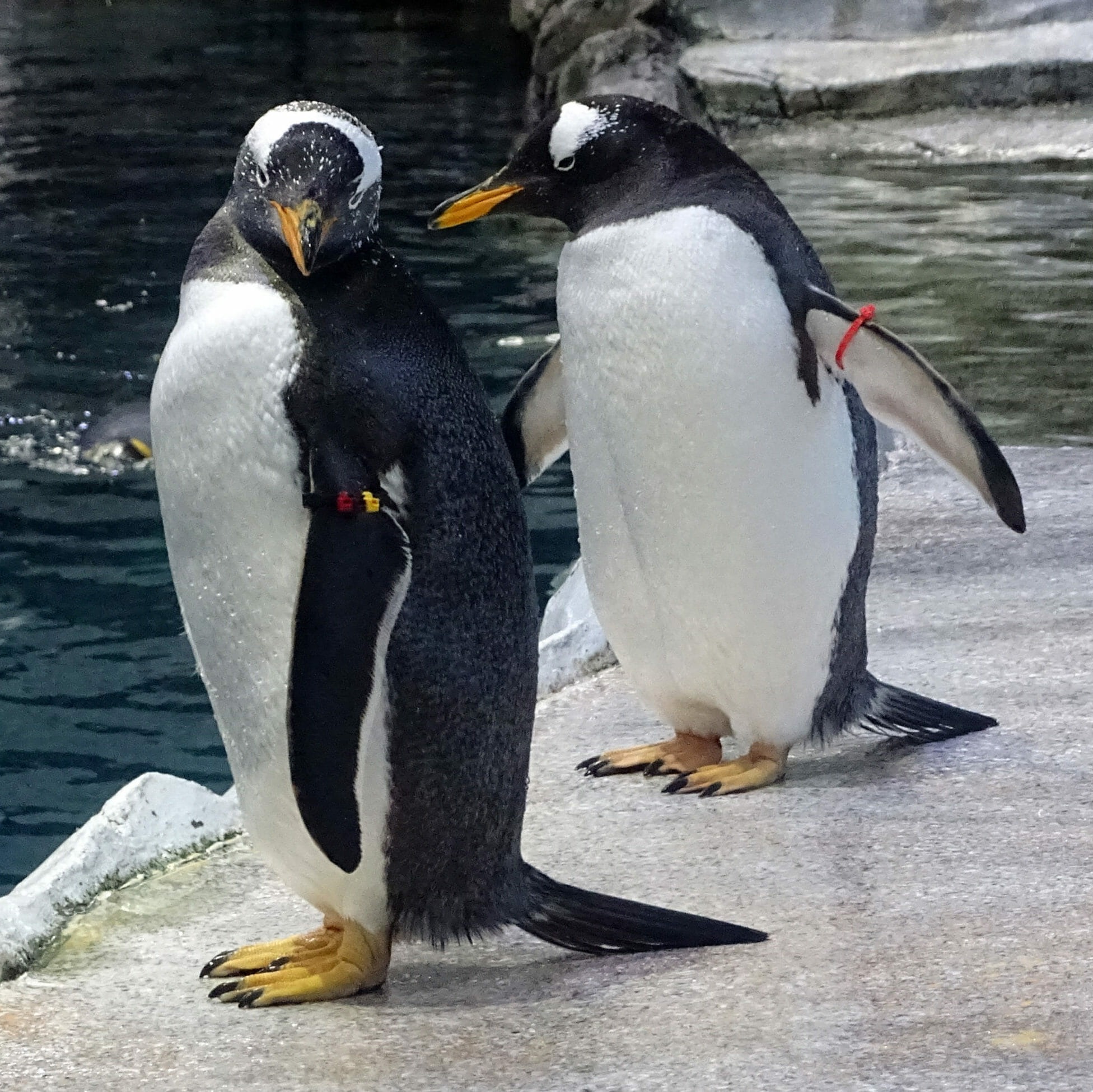
Falkland Islands Penguins
Penguins live on four different continents in the southern hemisphere. These unique birds are important to ecosystems across the world, but their numbers are being impacted by ecotourism and our changing climate. Learn more about the penguins who live at the Detroit Zoo and the conservation work being done to protect penguin habitats in the wild.
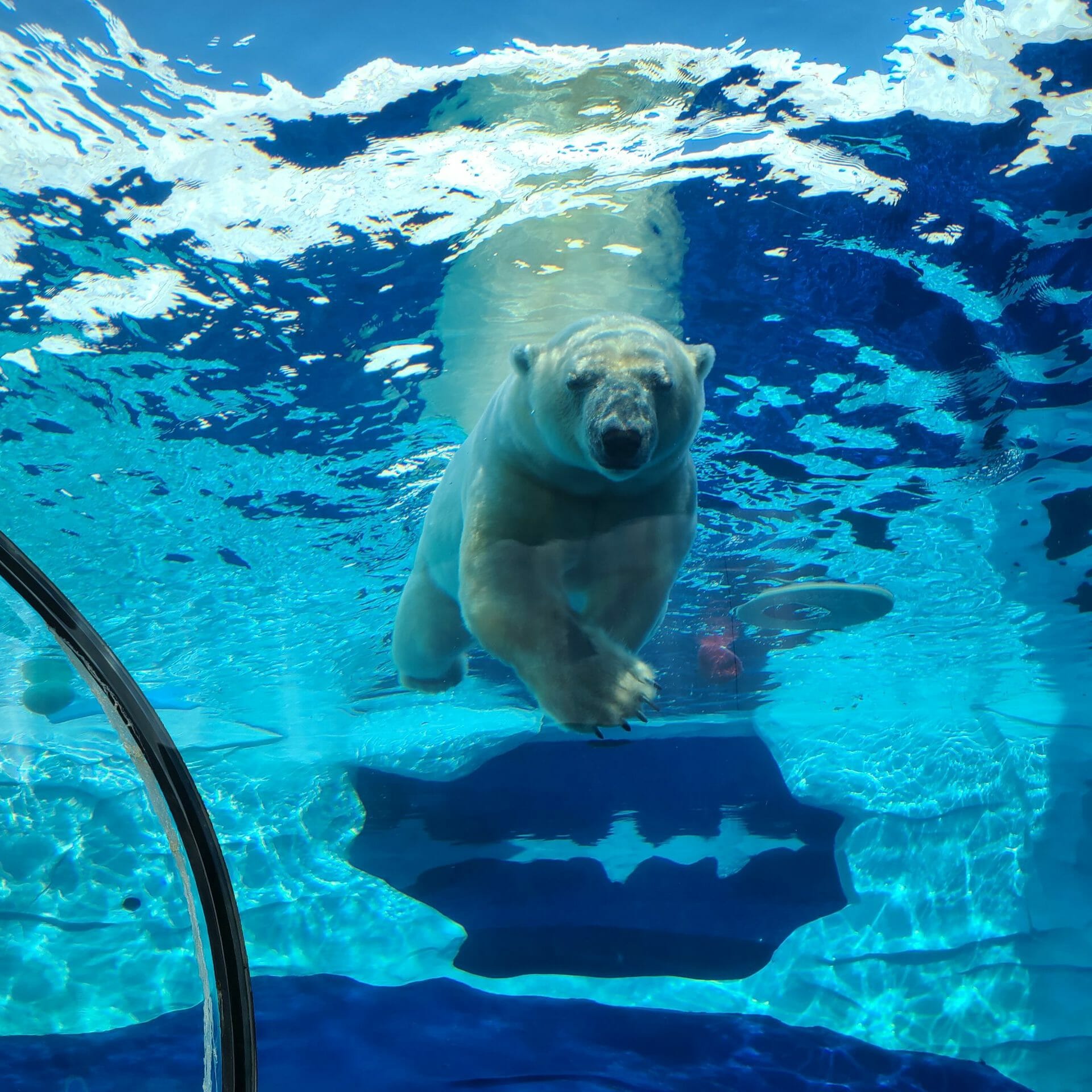
Polar Bear Conservation
Polar bears are specifically adapted to living and hunting in the Arctic, a part of the world that is quickly changing. Visit the Detroit Zoo’s Arctic Ring of Life to learn more about the polar bears living there and the different ecosystems that make up the Arctic Circle.
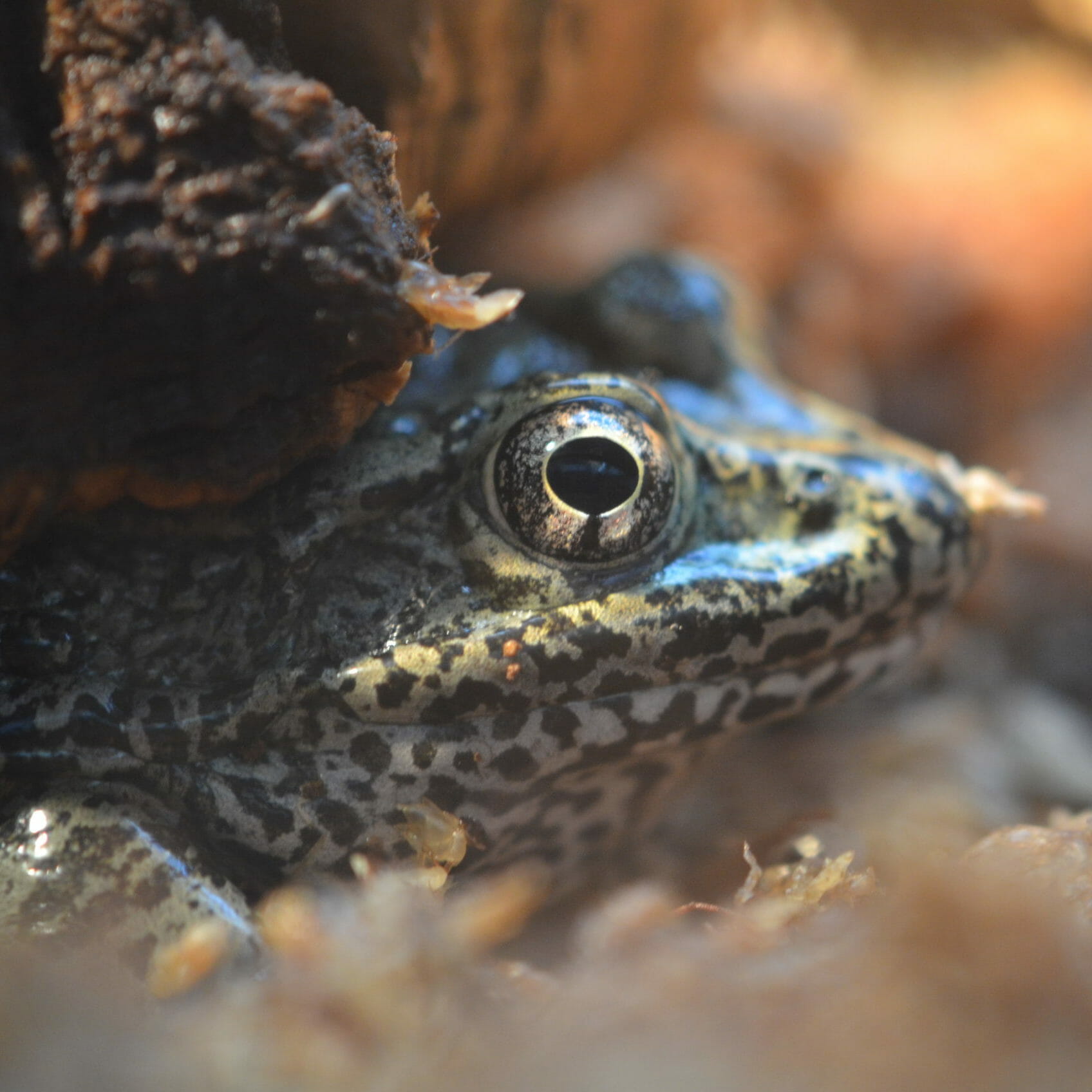
Dusky Gopher Frog
Dusky gopher frogs once lived in several southern states; now, they can only be found in two counties in Mississippi. They are considered one of the 100 most endangered species in the world. Learn about this amphibian species and what the Detroit Zoological Society is doing to help their numbers recover in the wild.

Massasauga Rattlesnake
Eastern Massasauga Rattlesnakes are Michigan’s only species of venomous snake. They live near marshy areas and wetlands, but their population is declining due to habitat destruction. Learn about Eastern Massasauga Rattlesnakes and their importance to the ecosystem, and how conservationists are studying them in the wild to ensure the species’ long-term survival.